“Grandma, the kitchen is making dark clouds.”
Seven-year-old Lily had asked for her favorite Saturday treat: warm pancakes with Grandma Elena’s homemade cinnamon apple butter. Elena peeled the apples, added cinnamon and brown sugar, and set the heavy saucepan to a slow simmer—the kind that takes nearly an hour to turn soft, glossy, and sweet.
While the apples cooked, Elena’s sister called about a family birthday. Elena stepped into the den so she could hear better. After the call, she noticed a basket of clean towels, carried it upstairs, and began putting them away. The quiet saucepan disappeared completely from her mind.
More than half an hour later, Lily came running down the hall. Her face had gone pale.
“Grandma, I’m scared. The kitchen is making dark clouds.”
Elena rushed downstairs. Thick black smoke rolled from the saucepan, the smoke alarm began to shriek, and the sweet smell of apples had turned sharp and bitter. She switched off the burner, pulled Lily close, and opened every window with shaking hands.
The pan was ruined. The kitchen was not. But all Elena could think about was what might have happened if Lily had gone outside to play—or if Elena had decided to take a shower.
That night, the smell of smoke would not leave her.
Elena lay awake replaying Lily’s frightened voice. She remembered other small moments she had dismissed: walking into a room and forgetting why, misplacing her keys twice in one week, asking her daughter the same question at dinner. None had felt serious alone. Together, they were enough to make her stop and pay attention.
The next morning, Elena scheduled a checkup. She also began reading about practical ways to support brain health. She started walking after breakfast, protected her bedtime, and wrote appointments on a visible calendar. Still, she wanted one simple daily step that would help her stay intentional about her memory.
A few weeks later, Elena took Lily next door to visit Margaret. On the kitchen table sat a jar of cinnamon apple butter. The sight made Elena pause, and she finally told Margaret the whole story—the black smoke, Lily’s frightened face, and the nights she had spent wondering whether her memory was beginning to slip.
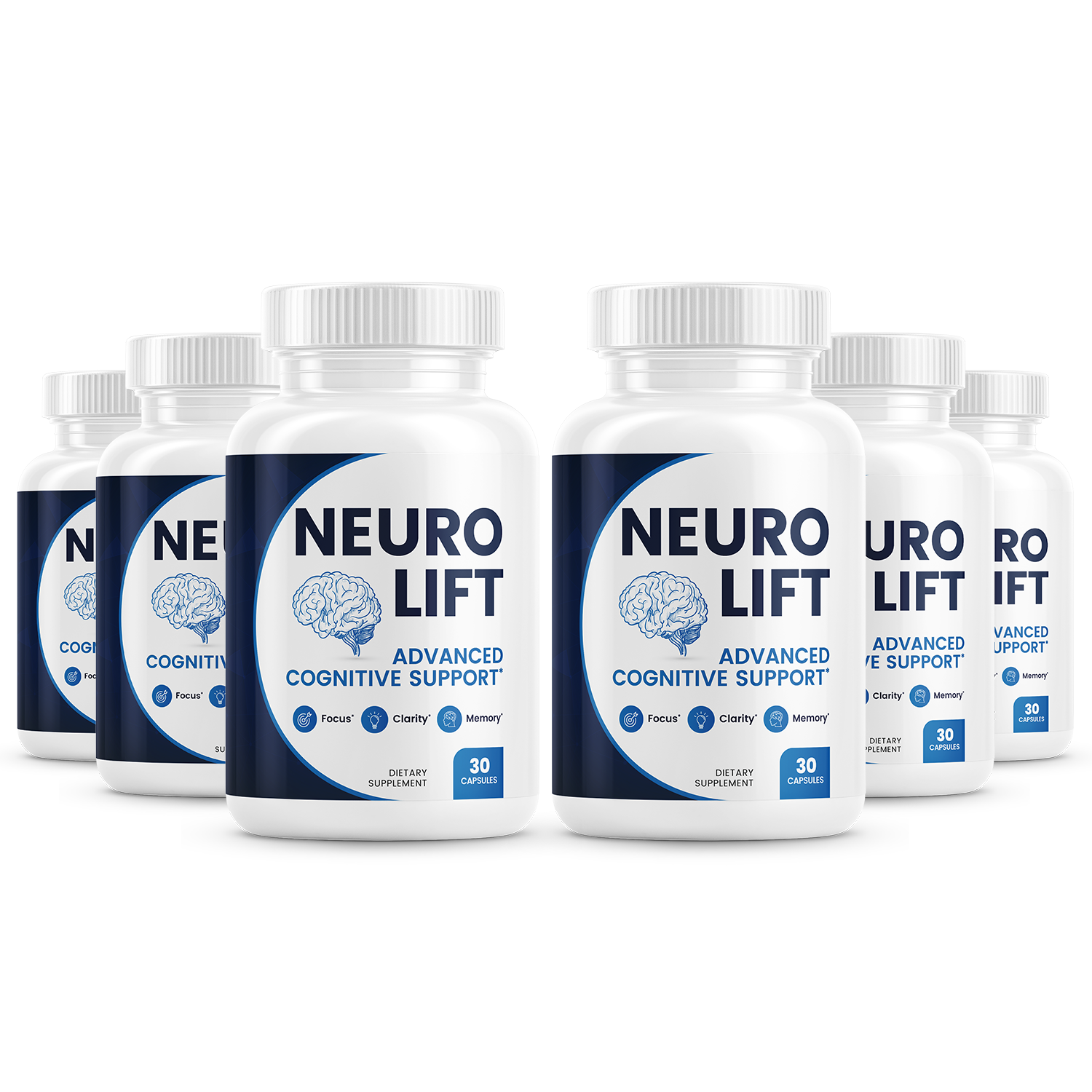
Margaret did not look surprised. She admitted that she had once left a pot of soup simmering until the smell reached her upstairs bedroom. Afterward, she worked with a registered dietitian to build a more consistent nutrition and brain-wellness routine. While comparing daily cognitive-support options, Margaret found NeuroLift.
“I can’t tell you what it will feel like for you,” Margaret said, “but I felt more focused and less scattered after I made it part of my mornings. At least look at the label and see what you think.”
For Elena, that recommendation felt different from an online advertisement. It came from someone she trusted—someone who understood the fear without making her feel ashamed. Elena reviewed NeuroLift, showed the label to her pharmacist, and decided to try it for herself. She kept the bottle beside the coffee maker so it became as automatic as filling her favorite blue mug.
After several weeks, Elena felt less scattered during the day. She noticed she was finishing small tasks without losing her train of thought, remembering appointments more easily, and reaching for her written reminders less often. The biggest change was not one dramatic moment—it was the return of confidence in ordinary ones.
When Lily visited again, they made a fresh batch of cinnamon apple butter together. Elena set two timers. Lily was in charge of stirring. This time, the kitchen filled with the smell it was supposed to have.
NeuroLift did not replace Elena’s healthy habits; it became the simplest part of the routine that helped her feel more intentional about her memory.